


Historic Walks & Hidden Stories: County Landmarks & Tales
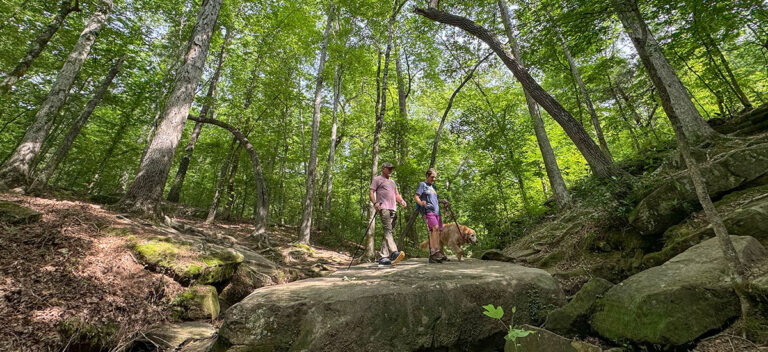
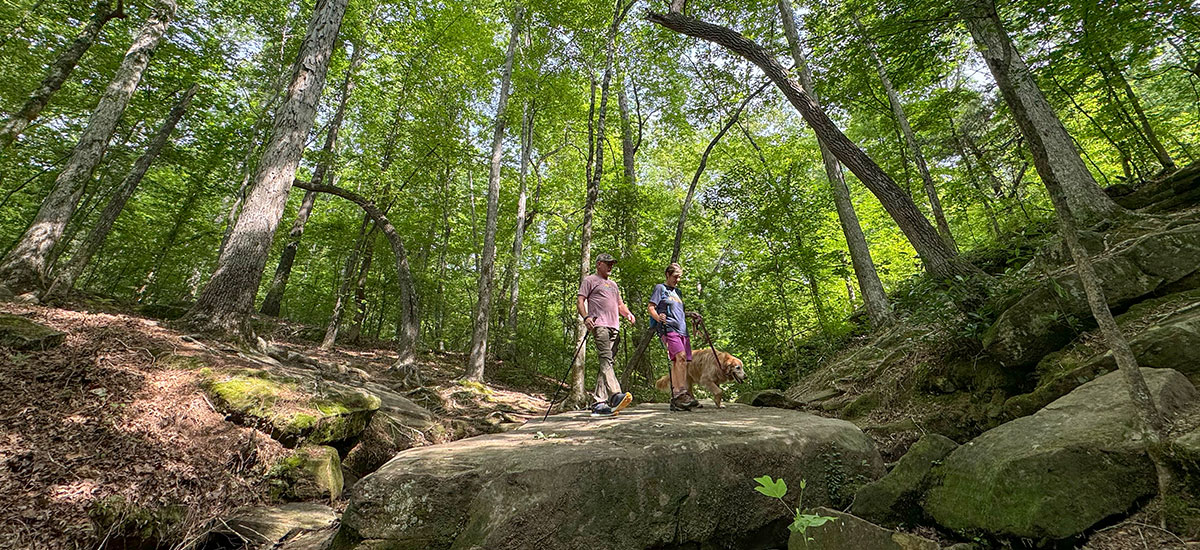
Tishomingo County is a place where history unfolds with every step. From Civil War landmarks to trails shaped by Native American pathways, the evolution of Tishomingo County comes to life at these historical sites. This spring, take a walk to uncover the stories left behind by the generations who shaped Tishomingo County.
Cultural Evolution
Walking through Tishomingo County’s parks reveal how the area has grown and changed, with each space reflecting the people, industries, and traditions that have shaped culture over time.
- Jaybird Park (Iuka, MS) – Once a key hub for transporting timber and agricultural goods, Jaybird Park offers a glimpse into how Tishomingo County’s culture was built around movement. While trains no longer stop here, the active rail line and surrounding landmarks serve as a reminder of how these early systems of connection helped form the county’s identity.
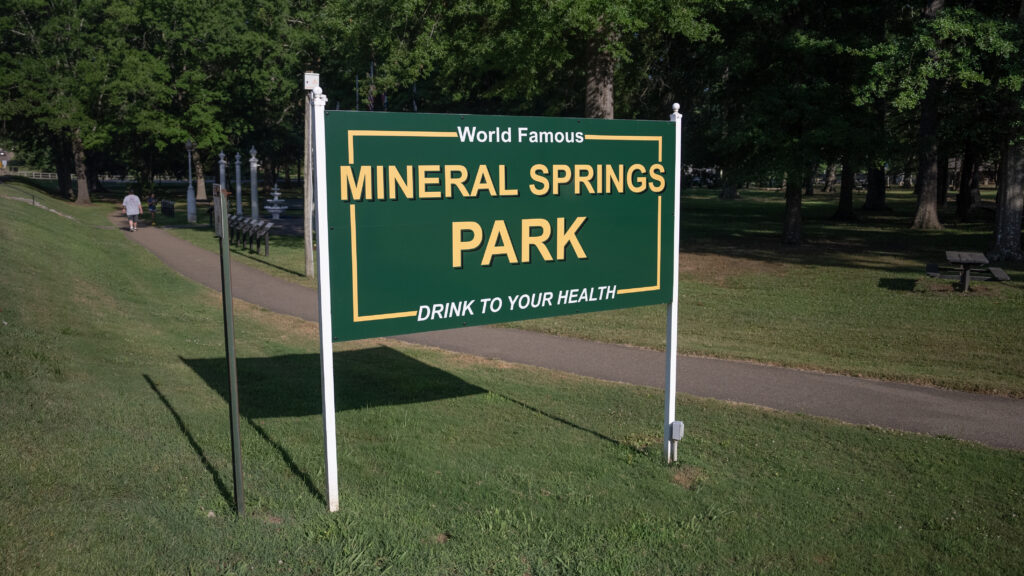
- Mineral Springs Park (Iuka, MS) – Home to the Pioneer Log Cabin, this park offers a look at how daily life in Tishomingo County has transformed over time. The dogtrot-style structure represents an era defined by self-sufficiency and craftsmanship, while the surrounding park shows how those early ways of living evolved into spaces used for recreation and gathering.
Follow the Footsteps
Trails in Tishomingo County State Park show how the land has been used and redefined over time, each path reflecting a different chapter in the county’s evolution.
- Natchez Trace Trail (Tishomingo, MS) – What began as a wildlife migration route later became a path for the Native American travelers and early settlers, showing how the land adapted to the needs of those who depended on it. Today, the trail stands as a preserved moment in history, where features like the Chickasaw fish weir highlight how early cultures lived in connection with the environment, an influence that is still relevant today.
- CCC Camp Trail (Tishomingo, MS) – This trail represents a turning point in how the land was developed. Built during the Great Depression, the Civilian Conservation Corps transformed natural spaces into accessible parks. As you walk past the remains of the original camp, you see how a period of hardship led to lasting infrastructure that still shapes the experience of visiting Tishomingo County.
Landmarks and Lasting Influence
Tishomingo County’s landmarks reflect how moments of conflict and leadership have shifted to creativity and community. Each stop represents a different era, showing how the identity of the county has been built over time.
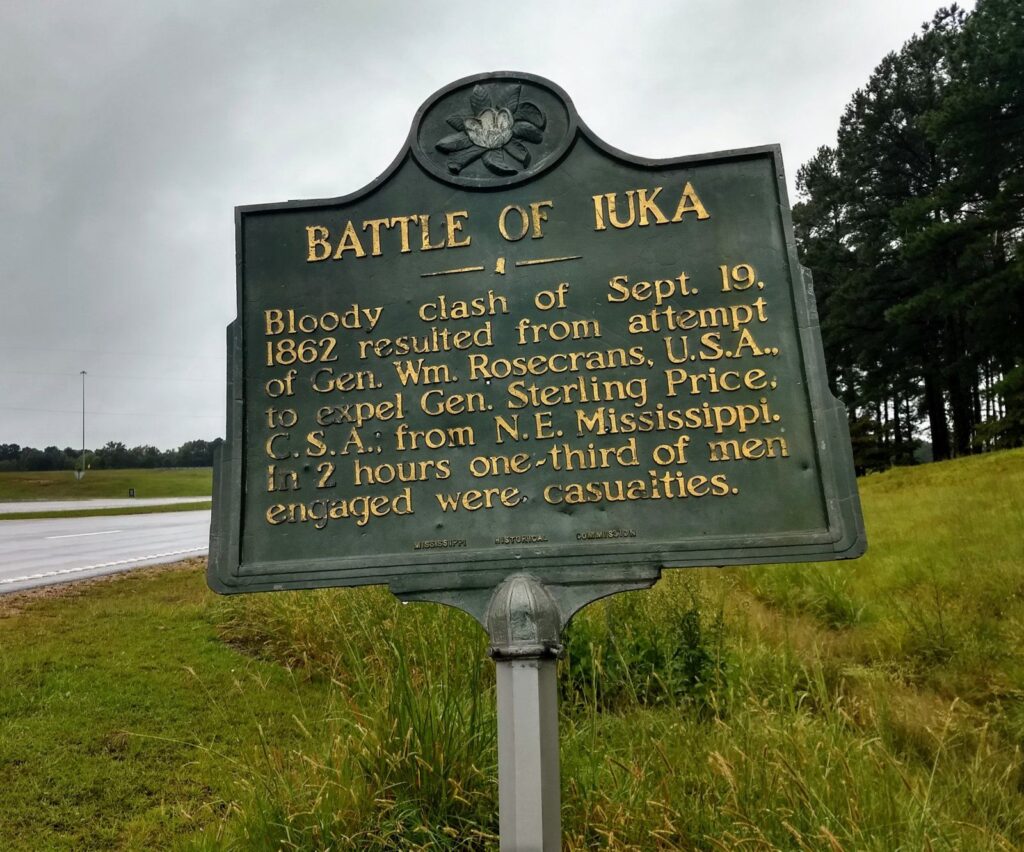
- Battle of Iuka Marker (Civil War Site) – This landmark represents a defining moment in the county’s early history, where conflict shaped both the land and the people who lived on it. The impact of the Civil War helped influence the region’s development, leaving behind lessons of resilience.
- Mac McAnally Marker (Belmont, MS) – This stop celebrates a hometown artist whose influence reaches far beyond Mississippi. It’s a reminder that Tishomingo County culture is not only historic, but creative and impactful.
- Pete Pyle Marker (Burnsville, MS) – This historical marker is dedicated to Pete Pyle and his contributions to modern country music, another example of how Tishomingo County has made lasting impressions on culture far beyond county lines.
- Oak Grove Cemetery (Iuka, MS) – This historic site is the resting place of Civil War soldiers and John Marshall Stone, Mississippi’s longest-serving governor. A walk here offers a deeper understanding of individuals who shaped both the state and nation.
FAQ: Uncovering Tishomingo County’s History
- What can you learn from visiting Tishomingo County’s historical sites? Exploring these sites offers insight into how geography, industry, and community values shaped the county over time. From early travel routes to local craftsmanship and musical influence, visitors gain a better understanding of how past generations lived in this area.
- What makes Tishomingo County’s history unique to other destinations? Tishomingo County blends multiple layers of history, from Native Americans pathways and early frontier life to music heritage and small-town culture. This mix gives visitors a well-rounded understanding.
- Do you need a guide to explore historic sites in Tishomingo County? No formal guide is required. Many locations are self-guided, allowing visitors to explore at their own pace.
Step Into the Story
Whether you’re here for a day-trip or you plan on staying awhile, Tishomingo County invites you to experience history in motion. Walk the trails, visit the landmarks, and discover how each stop contributes to a story that’s still unfolding. Start planning your visit today and see how each step brings you closer to the culture, history, and spirit of Tishomingo County.